
THE CENTRAL MEETING POINT IN THE CITY
HOTEL CAFÉ CENTRAL
At Hotel Café Central 4*, Innsbruck’s “central” joie de vivre meets the charming, decade-old coffee house tradition. There you’ll find an unrivalled blend where every guest and any hotel visitor can feel right at home from the moment they arrive. Anyone is welcome at the Central and the cosmopolitan hotel, steeped in history; it stylishly combines apparent contradictions like no other hotel and café all under one roof. Locals and globetrotters, students and tourists, families and congress visitors: Here is the place to meet and experience the city in all of its thrilling diversity.
The Central – a legendary place open to everyone, which understands the value of the unique combination of a quality-conscious, city centre hotel and an authentic Viennese coffee house in the heart of Innsbruck.
THE CENTRAL MEETING POINT IN THE CITY
HOTEL CAFÉ CENTRAL
At Hotel Café Central 4*, Innsbruck’s “central” joie de vivre meets the charming, decade-old coffee house tradition. There you’ll find an unrivalled blend where every guest and any hotel visitor can feel right at home from the moment they arrive.
The Central – a legendary place open to everyone, which understands the value of the unique combination of a quality-conscious, city centre hotel and an authentic Viennese coffee house in the heart of Innsbruck.
THE LOUNGE OF ENTIRE GENERATIONS
AUSTRIA’S MOST WESTERN VIENNESE COFFEE HOUSE
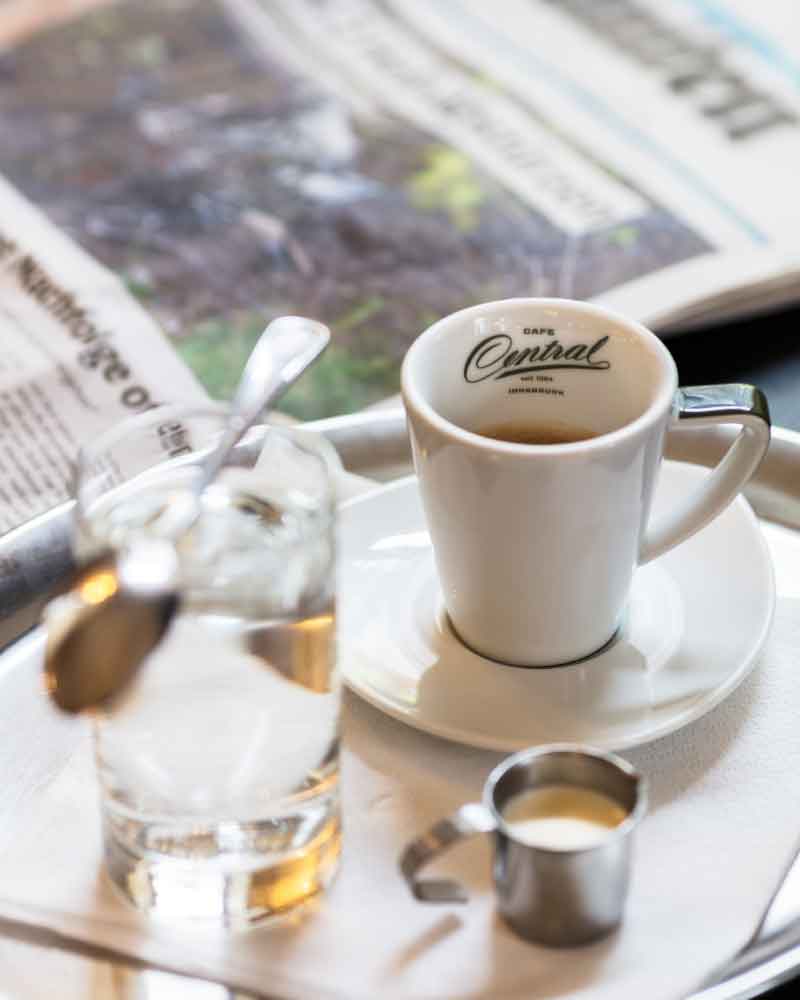
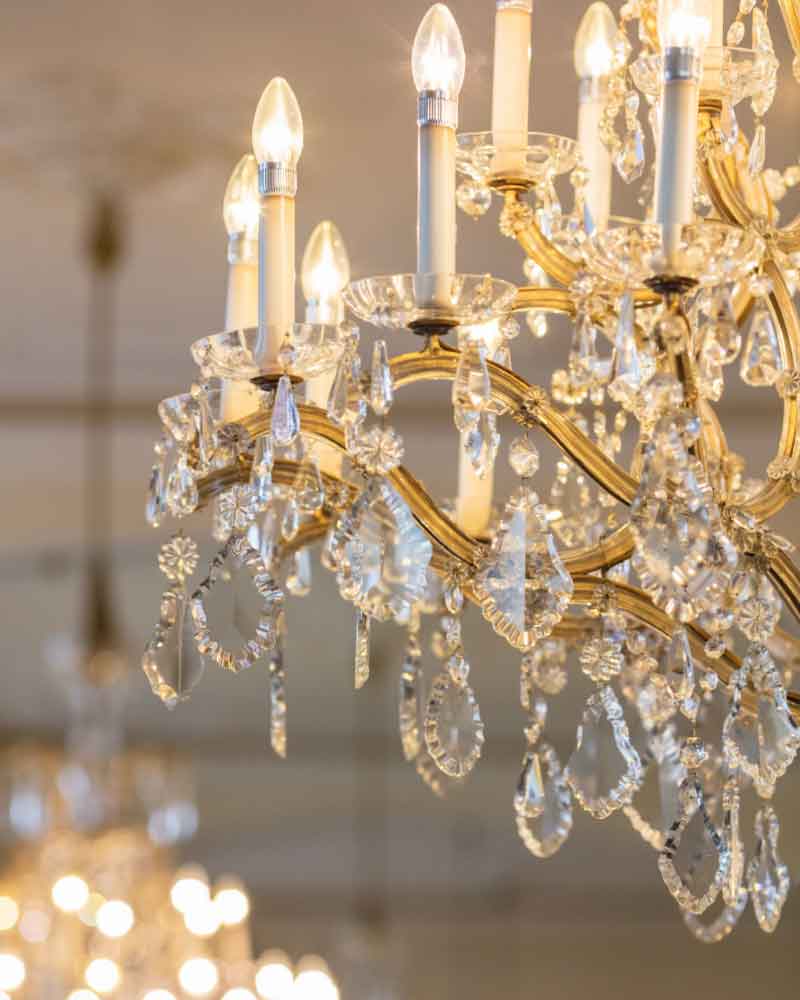
You don’t just have to head straight to Vienna to sample a true slice of Vienna. A visit to Café Central will suffice. You can recover in a coffee house whose kind would only be found in the famous Danube metropolis. Café Central is Austria’s most western Viennese coffee house and has been radiating its unrivalled charm since 1884. As well as its inviting and extremely cosy atmosphere, which has been lovingly preserved and is reminiscent of times long forgotten, the café also wins you over with its high level of quality. And with modern standards, too, such as free WiFi. As a guest at the Central, you’ll have the choice of 22 different coffee specialities and the chance to flick through 67 different daily newspapers whilst enjoying a delicious cup. It’s no surprise that so many guests quickly become regulars and many visitors tend to stay in Innsbruck’s most popular lounge for longer than they originally intended.
THE LOUNGE OF ENTIRE GENERATIONS
AUSTRIA’S MOST WESTERN VIENNESE COFFEE HOUSE
You don’t just have to head straight to Vienna to sample a true slice of Vienna. A visit to Café Central will suffice. You can recover in a coffee house whose kind would only be found in the famous Danube metropolis. Café Central is Austria’s most western Viennese coffee house and has been radiating its unrivalled charm since 1884. As well as its inviting and extremely cosy atmosphere, which has been lovingly preserved and is reminiscent of times long forgotten, the café also wins you over with its high level of quality.
IN THE HEART OF THE CENTRE
CENTRAL IN INNSBRUCK
At Hotel Café Central 4*, you can make the most of the best location Innsbruck has to offer. You can reach all of the city’s attractions from the Central, situated right in the lively city centre of the Tyrolean state capital. Whether it’s the Bergisel in the south, Maria-Theresien-Straße in the west, the Old Town in the north or the main railway station in the east: Hotel Café Central is certainly worthy of its name and is perfectly situated in the heart of Innsbruck as the “central meeting point” in the city.
IN THE HEART OF THE CENTRE
CENTRAL IN INNSBRUCK
At Hotel Café Central 4*, you can make the most of the best location Innsbruck has to offer. You can reach all of the city’s attractions from the Central, situated right in the lively city centre of the Tyrolean state capital. Hotel Café Central is certainly worthy of its name and is perfectly situated in the heart of Innsbruck as the “central meeting point” in the city.
DELIGHTS FOR CONNOISSEURS
CULINARY DELIGHTS AT HOTEL CAFÉ CENTRAL
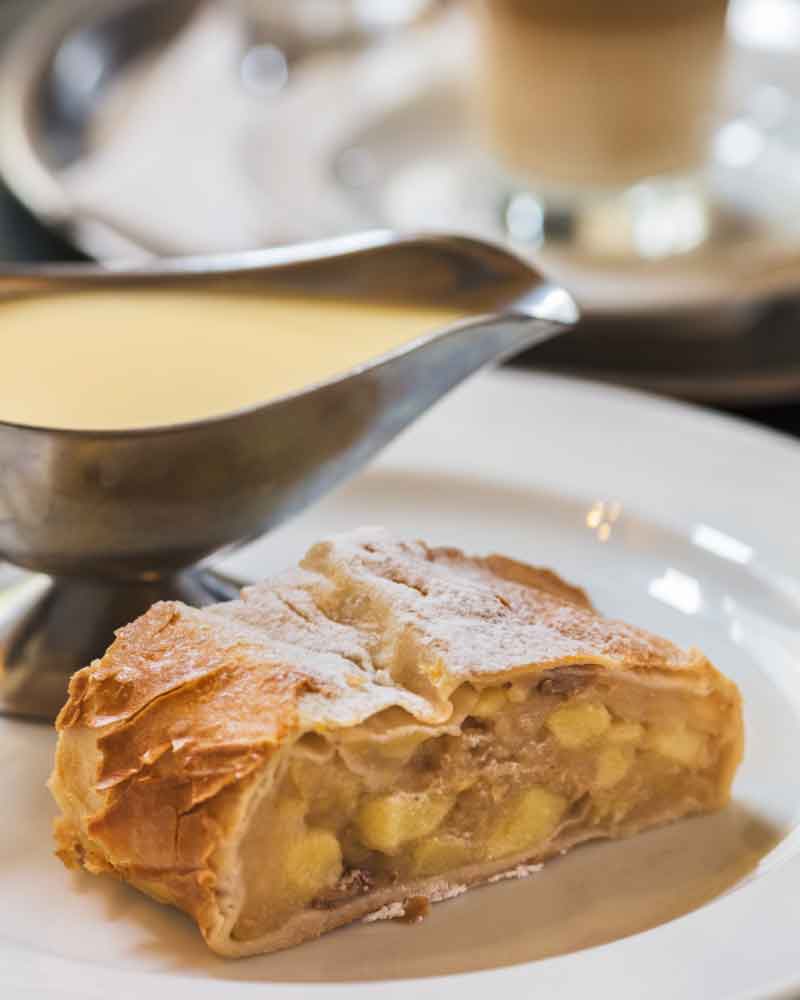
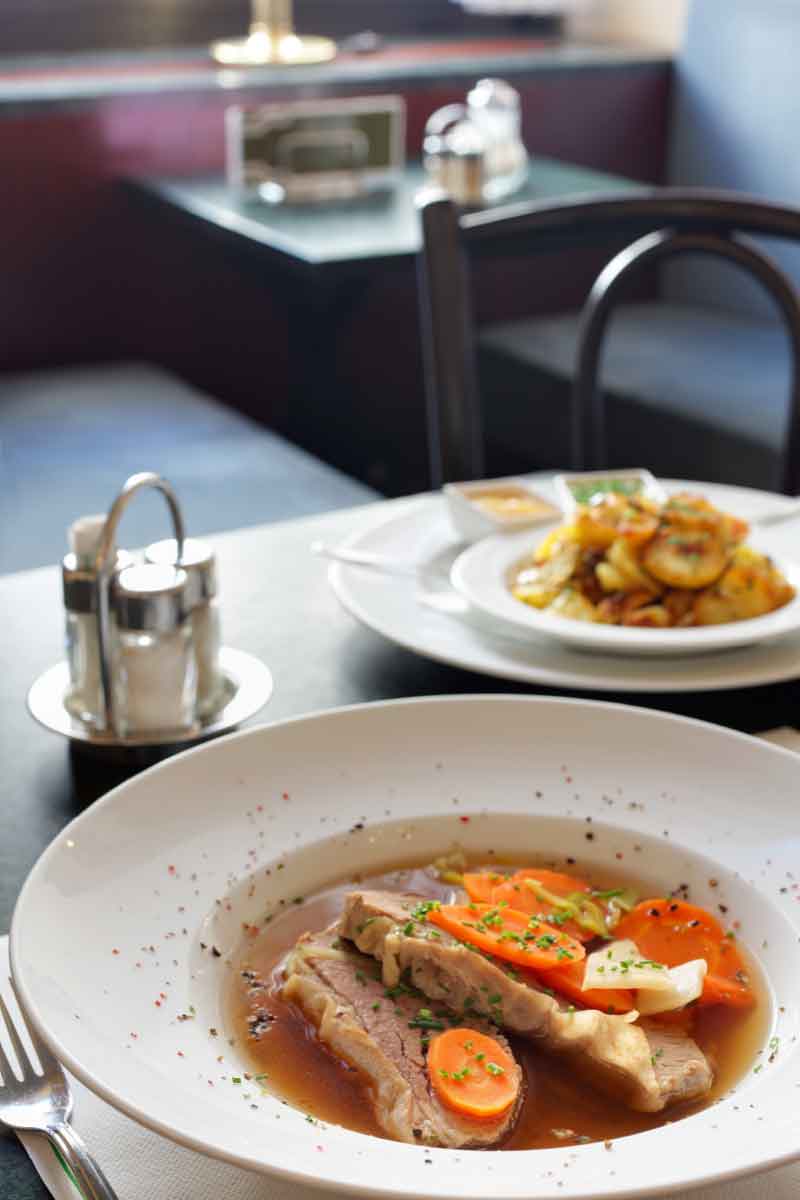
Regional top quality home cooking is not only extremely tasty at Hotel Café Central 4* but also prepared very swiftly. And all of that 365 days a year from 10 am to 8 pm. We therefore attach great value to home-grown, seasonal ingredients of the best possible quality supplied to us by regional partners.
HISTORY OF THE HOTEL CAFÉ CENTRAL
TALES AND HISTORY SINCE 1884
Hotel Café Central 4* has a lot of stories to tell and looks back on a rich and interesting history beginning more than 140 years ago. Innsbruck’s first coffee house was also a bank and district occupied by the French for a brief period before being entered on the national register as an Intangible UNESCO Cultural Heritage site. Here you can find out how the changing times have shaped the hotel and how it still succeeds in preserving the building’s nostalgic resplendence.
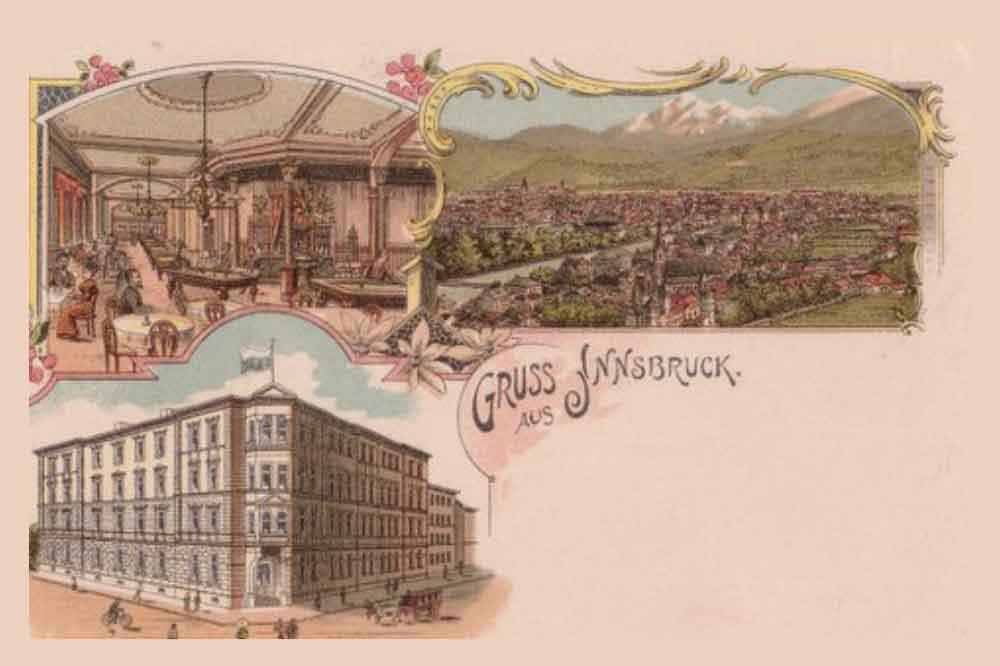
Hotel Café Central 4* has a lot of stories to tell and looks back on a rich and interesting history beginning more than 140 years ago. Innsbruck’s first coffee house was also a bank and district occupied by the French for a brief period before being entered on the national register as an Intangible UNESCO Cultural Heritage site. Here you can find out how the changing times have shaped the hotel and how it still succeeds in preserving the building’s nostalgic resplendence.
WORKS OF TRUE MASTERS
THE TYROLEAN ART HOTEL
In addition to many “bon vivants” and Innsbruck originals, Hotel Café Central 4* always been a welcome platform for any Tyrolean artists. As a guest, you therefore have opportunity to admire the many works of art by Anton Christian, Norbert Drexel, Richard Kurt Fischer, Paul Flora, Dietmar Kainrath, Renate Kraus, Oswald Oberhuber, Rudi Wach, Max Weiler, Arthur Zelger and many other Tyrolean artists on every visit. Something you won’t find in any other coffee house.

WORKS OF TRUE MASTERS
THE TYROLEAN ART HOTEL
In addition to many “bon vivants” and Innsbruck originals, Hotel Café Central 4* always been a welcome platform for any Tyrolean artists. As a guest, you therefore have opportunity to admire the many works of art by Anton Christian, Norbert Drexel, Richard Kurt Fischer, Paul Flora, Dietmar Kainrath, Renate Kraus, Oswald Oberhuber, Rudi Wach, Max Weiler, Arthur Zelger and many other Tyrolean artists on every visit. Something you won’t find in any other coffee house.
CUSTOM-MADE FOR YOU
OUR INDIVIDUAL OFFERS & SPECIALS
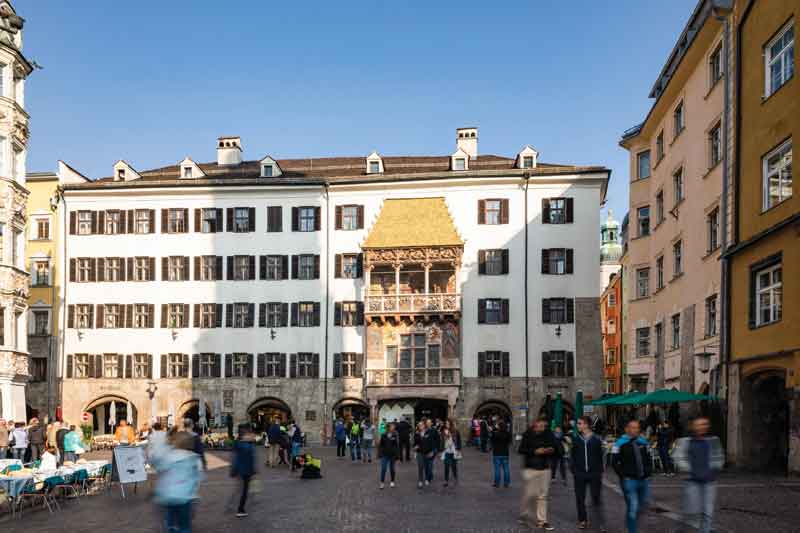
INNSBRUCK IN THE MEANTIME
| 1 night accommodation |
| Breakfast buffet with organic section and scrambled eggs |
| Use of the in-house spa area |
| Slippers and bathrobe |
| A parting gift |
| Children under 7 stay in their parents’ room free of charge |
| Subject to availability |
From EUR 66.00 pp in a DR
From EUR 96.00 pp in a SR
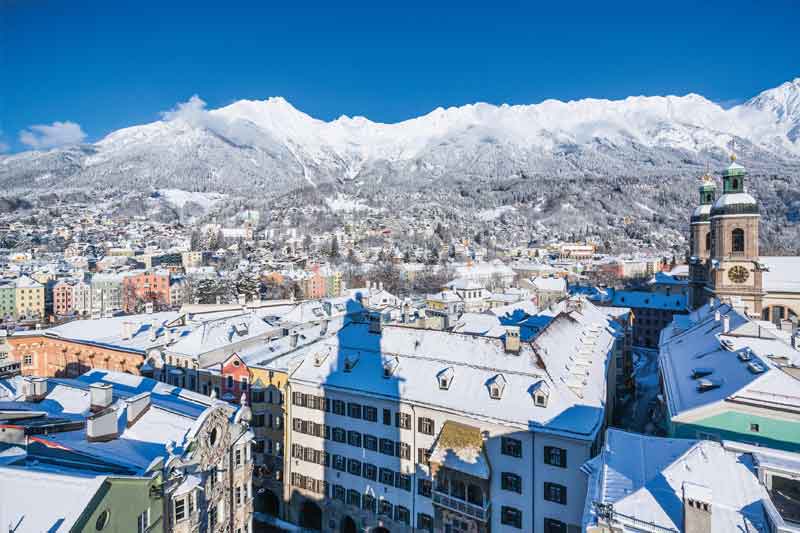
INNSBRUCK THE CAPITAL of the Alps
| 2 overnight stays |
| Breakfast buffet with organic options and egg dishes |
| Use of the hotel´s very own wellness spa |
| Slippers and bathrobe provided |
| Rental bike & Innsbruck Card for 24 hours |
| A farewell present |
| Children up to 7 years can stay in their parents´ room free of charge |
| Booking subject to availability |
From 155.00 EUROs per person DR
From 215.00 EUROs per person SR

CITY BREAK
| 4 nights |
| Breakfast buffet with organic section and scrambled eggs |
| Evening meal with 3-course set menu |
| Use of the in-house spa area |
| Slippers and bathrobe |
| Freedom to take part in any hikes from Innsbruck & its holiday villages |
| A parting gift |
| Children under 7 stay in their parents’ room free of charge |
| Valid until 23 November 2019 |
From EUR 316.00 pp in a DR
From EUR 436.00 pp in a SR

